Nutrition
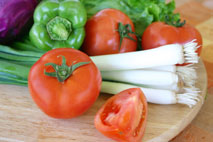 Poor nutrition as a consequence of inadequate diet is a fundamental factor in the development of coronary heart disease. Research suggests that childhood nutrition and maternal diet during pregnancy have important long-term effects on health in later life.
Dietary surveys reveal that the average British diet is low in fruit and vegetables and high in fat, salt and sugar. The status of British children's diets and the impact of poor nutrition on their health are causes for serious concern.
Fruit and vegetables - at least 5 a day
There is good evidence that a diet rich in a range of vegetables and fruit is beneficial and lowers the risk of coronary heart disease. The exact mechanism by which these foods protect against coronary heart disease is unclear but studies have suggested that antioxidants (including vitamins E, C and beta-carotene) act on low density lipoprotein (LDL) cholesterol in the blood.
The NHF supports national and international recommendations to eat at least five portions of fruit and vegetables a day (equivalent to around 400g). [1]
Recommended intake
Exceeding the recommended minimum five portions of fruit and vegetables a day can reduce stroke risk according to research published in The Lancet medical journal in 2006. [2] Exceeding the five portions cut stoke risk by 26%, while having five portions a day cuts the risk by11%. On average Britons eat just three portions a day.
What constitutes a portion?
- One apple, pear, banana or similar sized fruit
- One slice (two-inch) of a large fruit such as melon, pineapple or mango
- A glass of 100% pure fruit juice (150ml)
- One heaped tablespoon of dried fruit such as raisins or dried apricots
- A dessert bowl of salad
- Three heaped tablespoons of cooked vegetables
- Three tablespoons of beans or pulses
- A tea-cup sized portion of grapes or berries
> Nutrition
> Dietary fats and blood cholesterol
> Sugar and heart health
> Traffic-light food labelling
Page 1 of 4
| Next